
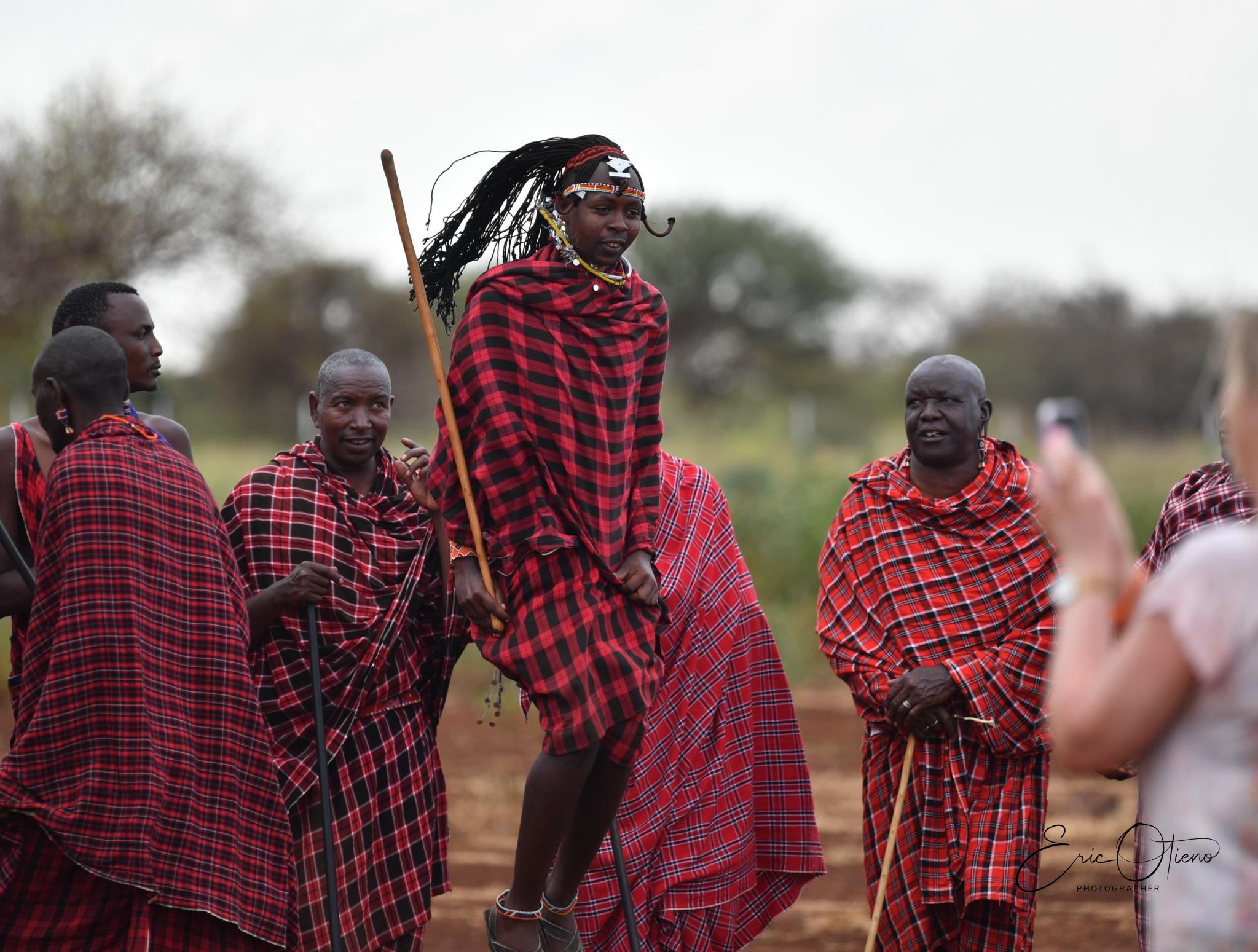
Maasai clothing and beadwork can communicate beauty, identity, age, social relationships and local style, but meanings are not identical in every community or period. Colours and patterns may be chosen for cultural reasons, personal preference or the market.
What is the significance of Maasai clothing and beadwork?
Beadwork is also an important economic activity for many women and community groups. Buying directly from artisans can support local income.
Avoid turning every colour into a rigid code from a tourism brochure. The most accurate explanation comes from the maker or host who can describe what a particular piece means in that context.
Which languages do the Maasai speak?
Maa is the Maasai language. Many Maasai people also speak Swahili, and English is widely used in education, tourism and business in Kenya and Tanzania.
Language ability varies by person and place. On a hosted visit, translation may be provided where needed.
Learning a simple greeting can be appreciated, but respectful behaviour matters more than performing memorised phrases.
Can we offer donations to local communities during our visit?
Donations should be made through clear, locally guided channels rather than handed out impulsively. Unplanned gifts can create pressure, inequality or expectations that the host community did not choose.
Ask the community host or ESA Safaris whether there is a school, health, conservation or women's enterprise with a transparent way to contribute. Buying crafts at a fair price is often a direct form of support.
Avoid giving sweets, cash or school supplies to children on the roadside. Good intentions work best when the community decides what is useful.
Consent matters in cultural photography
A beautiful photograph does not remove the need to ask permission. Some ceremonies, religious spaces and private moments may not be appropriate to photograph.
Your guide can help with introductions and local etiquette. When buying crafts, ask about the maker and buy through fair, transparent channels where possible.
Context makes a cultural stop more meaningful
A short visit becomes more useful when travellers understand why a place, practice or object matters. Ask questions respectfully and allow hosts to explain their own experience.
ESA Safaris can help place cultural activities into the itinerary without turning them into rushed photo stops.
Before you book or travel
- Ask before photographing people or entering private spaces.
- Follow local advice on dress and behaviour at religious or community sites.
- Choose hosted visits rather than arriving in communities unannounced.
- Buy crafts through transparent channels when supporting local makers is important to you.
Frequently Asked Questions
Can I take photographs during a cultural visit?
Ask first. Permission can vary by person, place and activity, and some religious or private moments should not be photographed.
What should I wear?
Follow local guidance and dress more conservatively at religious or community sites. Your guide can advise for the places included in your itinerary.
Is bargaining always expected?
No. It depends on the market and seller. Bargain respectfully where it is customary and avoid treating every purchase as a contest.
How can I support local communities responsibly?
Use hosted experiences, buy directly from makers where possible and follow transparent arrangements rather than handing out money or gifts without context.
Make the itinerary fit the traveller
Tell ESA Safaris what you want the trip to feel like, not only where you want to go. That makes it easier to design a route with the right pace, activities and practical arrangements.


